MANDAI ORCHID GARDEN
NATIONAL ORCHID GARDEN TICKETS
Mandai Orchid Garden holds a special place in Singapore’s horticultural history. Established in 1951 along Mandai Lake Road, it was the nation’s first commercial orchid enterprise—a working farm that eventually transformed into one of Singapore’s most beloved tourist attractions before closing its gates in 2011.
Founded by John Laycock, a British lawyer with a deep passion for orchids, the garden grew from a private orchid collection into a sprawling 5-hectare site housing around 50,000 plants at its peak. The garden specialized in hybridization and export, producing beautiful orchids that shipped to markets worldwide and helping cement Singapore’s reputation as an orchid city.
History and founding (1950s–1960s)
In the early 1950s, John Laycock began acquiring land along Mandai Lake Road to accommodate his rapidly expanding orchid collection. Already prominent in Singapore’s legal and civic circles, Laycock saw potential in the humid tropical landscape for cultivating Vandaceous species.
The formal establishment of Mandai Orchid Garden came in 1951. Initially, the site functioned as a working orchid farm and breeding ground rather than a public spectacle. Laycock partnered with orchid merchant Lee Kim Hong to develop the property, focusing on cultivation and propagation techniques suited to Singapore’s climate.
Laycock’s involvement with the Malayan Orchid Society—later rebranded as the Orchid Society of Southeast Asia—positioned Mandai as an informal hub for regional hobbyists and breeders. The garden fostered knowledge exchange on tropical orchid care, attracting enthusiasts from across South East Asia.
By the late 1950s, the operation began commercializing. Early experiments in hybridization yielded export-quality cut flowers, capitalizing on global demand for durable orchids. This marked the transition from private passion to viable business, with exports targeting Europe, North America, and Japan.
Development as a tourist attraction
After Laycock’s death in 1960, the garden passed to his adopted daughter Mrs Amy Ede and her husband John Ede. The couple managed operations and authored influential books on orchids, helping popularize the hobby across the region.
Under Singapore Orchids Private Limited (later Singapore Orchids Pte Ltd), the farm evolved into a landscaped visitor destination. Key features included:
The Water Garden with ponds and cascading features
Shaded orchid houses protecting delicate species
Meandering paths designed for tour groups
Trellised displays ideal for photography
By the 1970s and 1980s, Mandai featured prominently in itineraries for cruise passengers and international visitors. The garden drew thousands annually, eventually reaching approximately 100,000 visitors per year by 2010. Located conveniently near the Singapore Zoo and Night Safari, it became a natural addition to Mandai wildlife tours.
Typical facilities included a simple visitor centre, gift shop selling orchid corsages and fresh cuts, and the Vanilla Pod restaurant. Entry cost just $3.50 for adults—visitors found it open daily during typical daytime hours.
Orchid breeding, hybrids and exports
Mandai’s significance extended far beyond tourism. The garden was a cornerstone of Singapore’s orchid industry from the 1950s through the 1980s, producing hybrid orchids for worldwide export.
The garden specialized in Vandaceous and Arachnis-type orchids, chosen for their vibrant colours, large blooms, and export resilience. Production reached impressive scale:
Peak annual output - ~200,000 stalks
Total collection size - ~50,000 plants
Orchid varieties - 70+ types
The signature spider orchid, Arachnis Maggie Oei, became one of Singapore’s best-known commercial cut flowers. Breeders also named hybrids after notable figures—a diplomatic practice that enhanced prestige. Recipients included:
David Marshall (Singapore’s 1955 Chief Minister)
Tan Chin Tuan (OCBC Bank chairman)
Tan Hoon Siang (descendant of Tan Tock Seng)
Margaret Thatcher (British Prime Minister)
Shipments reached markets in Europe, North America, and Japan, benefiting from Singapore’s logistics advantages. The straits times and national archives documented this era when mandai orchid exports helped brand Singapore internationally.
Landscape, collections and visitor experience
Walking through the entire area before closure, visitors encountered a tropical landscape unlike anything in modern climate-controlled venues. Rows of shaded orchid houses sheltered rare orchids and Vandaceous hybrids, while open beds of sun-loving Arachnis stretched under palm canopies.
The experience included:
Ponds and the picturesque Water Garden with fern-bordered walkways
Showcase zones displaying rare species and award-winning specimens
Photo opportunities among trellises of bloom-laden Vanda and Arachnis
Special guided tours of historic breeding programmes
The diversity spanned Dendrobiums, Vandaceous lines, Arachnis spiders, and other tropical genera. Some plants traced back to Laycock’s original 1951 stock—living history for horticulture enthusiasts.
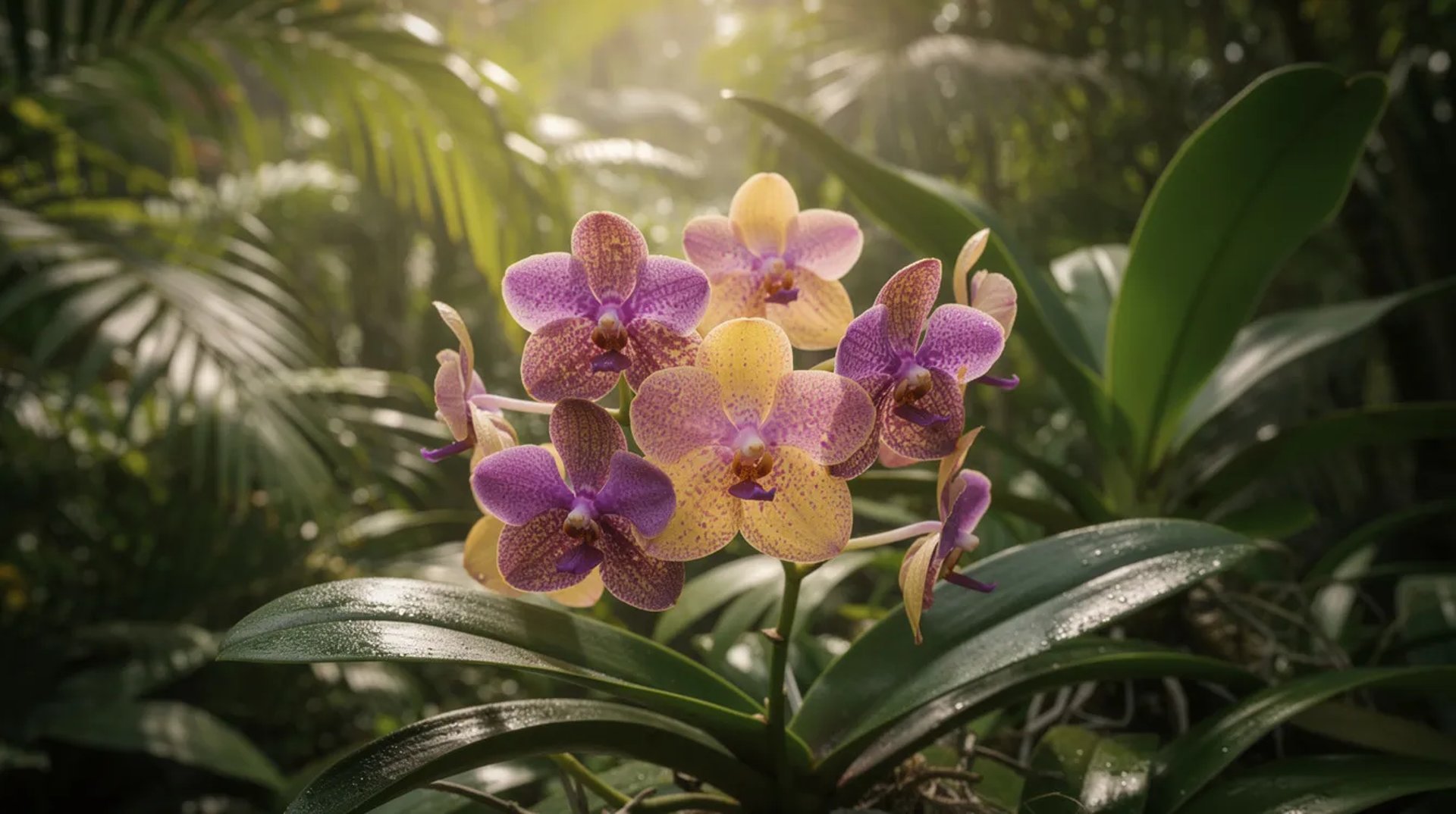
Unlike the cool house environments at the National Orchid Garden in the Singapore Botanic Gardens near the Tanglin entrance and Tyersall entrance, Mandai offered rustic, unpretentious immersion. The humid air carried floral perfume, and vibrant cascades of pinks, yellows, and purples created memorable displays for children and adults alike.
Relocation, closure and legacy
By the late 2000s, the original site was earmarked for broader Mandai wildlife development—a 30-hectare precinct that would eventually house the Mandai Wildlife Bridge and Bird Paradise, the new tourist attraction that opened in 2023.
The garden ceased operations on January 1, 2011, when its government land lease expired. Chairman Heah Hock Heng had proposed alternatives, including a $22-million resort concept that would preserve heritage orchids, but the ministry approved the development plans instead.
Only about 5,000 of 50,000 orchids could be retained. These relocated to a smaller 0.8-hectare farm site on Neo Tiew Road in Kranji. The rest were sold to nurseries—Toh Garden purchased selected hybrids to preserve Mandai-bred genetics, though they didn’t formally take over the business.
Today, the land integrates into Singapore’s integrated eco-tourism hub. Visitors to Bird Paradise can spot remnants of the original site, including structures echoing the old Orchid Waterfall.
Mandai’s legacy endures through:
Pioneering hybridization techniques that shaped Singapore orchids commercially
Hybrid orchids like Vanda Miss Joaquim descendants still alive in collections
Inspiration for orchid breeding across Indonesia and Southeast Asia
Documentation in the national archives preserving this page of history
For orchid enthusiasts who never visited, the botanic gardens’ National Orchid Garden offers a modern experience—though cheaper alternatives exist at local nurseries. Those seeking Mandai-bred varieties might visit Toh Garden, where some hybrids from Mandai’s original breeding programmes still flower today.
The garden may be gone, but its contribution to putting Singapore on the global orchid map remains alive in every Mandai-bred hybrid that continues to bloom.
Frequently Asked Questions about Mandai Orchid Garden
What was the Mandai Orchid Garden?
Mandai Orchid Garden was Singapore’s first commercial orchid garden, established in 1951 by John Laycock. It grew from a private orchid farm into a popular tourist attraction known for its extensive orchid collection and hybrid breeding.Where was Mandai Orchid Garden located?
The garden was located along Mandai Lake Road in Singapore, occupying a 5-hectare site at its peak.When did Mandai Orchid Garden close?
The garden ceased operations on January 1, 2011, when its government land lease expired.Why did Mandai Orchid Garden close?
The garden closed to make way for the development of a new tourist attraction and integrated eco-tourism precinct in Mandai, including the Mandai Wildlife Bridge and Bird Paradise.Who founded Mandai Orchid Garden?
John Laycock, a British lawyer and founding member of the Orchid Society of Southeast Asia, founded the garden.What was the significance of the Arachnis Maggie Oei orchid?
Arachnis Maggie Oei, also known as the spider orchid, was one of Mandai’s signature hybrid orchids and a major export product that helped establish Singapore’s orchid industry internationally.What types of orchids were grown at Mandai Orchid Garden?
The garden specialized in Vandaceous orchids and Arachnis hybrids, producing many colorful and resilient varieties suitable for export.What happened to the orchid collection after the garden closed?
Only about 5,000 orchids were relocated to a smaller farm in Kranji. Many others were sold to nurseries, including Toh Garden, which preserves some Mandai-bred hybrids.Was Mandai Orchid Garden open to visitors?
Yes, it was a popular tourist attraction open daily, featuring landscaped gardens, orchid houses, a Water Garden, and guided tours.What was the relationship between Mandai Orchid Garden and Singapore Orchids Private Limited?
After John Laycock’s death, the garden was managed by Singapore Orchids Private Limited, which oversaw its operations, breeding programs, and export business.Did Mandai Orchid Garden have any notable visitors or dedications?
Many orchid hybrids were named after prominent figures such as David Marshall, Tan Chin Tuan, Tan Hoon Siang, and Margaret Thatcher.What replaced Mandai Orchid Garden?
The site became part of the Mandai eco-tourism precinct, including Bird Paradise aviary, which opened in 2023, and the Mandai Wildlife Bridge.Is there a place to see Mandai Orchid Garden’s legacy today?
The National Orchid Garden in the Singapore Botanic Gardens showcases many orchid species and hybrids, continuing the legacy of orchid cultivation in Singapore.What was the visitor experience like at Mandai Orchid Garden?
Visitors enjoyed tropical landscapes with shaded orchid houses, ponds, Water Garden features, and photo opportunities amidst vibrant orchid blooms.Are Mandai Orchid Garden hybrids still available?
Yes, some hybrids bred at Mandai are preserved and available at nurseries like Toh Garden, which acquired part of the original collection.How did Mandai Orchid Garden contribute to Singapore’s orchid industry?
It pioneered hybridization techniques and helped establish Singapore as a global supplier of commercial orchids through breeding, export, and tourism.Was Mandai Orchid Garden associated with any orchid societies?
Yes, John Laycock was a founding member of the Malayan Orchid Society, later renamed the Orchid Society of Southeast Asia, which connected regional orchid enthusiasts.What were the opening hours of Mandai Orchid Garden?
The garden was typically open daily during daytime hours, providing easy access for tourists and locals.Did Mandai Orchid Garden offer guided tours?
Yes, guided tours were available, highlighting the breeding programs and history of the garden.What is the significance of Mandai Lake Road in orchid history?
Mandai Lake Road was the location of the historic Mandai Orchid Garden, a key site in Singapore’s orchid cultivation and export industry.